Sometimes, your body knows before your brain catches up. It shows up as short fuses, long sighs, restless sleep, and that vague sense of dissatisfaction that clings no matter how many wellness podcasts you stream. We spend so much time in cycles of obligation that we start treating burnout like just another item on the to-do list. But here’s the truth you’ve probably been ignoring: you need a reset, not a reward. Not another night in with your phone or a weekend with Netflix playing in the background of your chores. A full stop. A true reset trip that pushes you outside your rhythm and returns you to yourself.
Relearn How to Pause
You’ve gotten so good at moving—at multitasking, coordinating, producing—that you’ve forgotten how to stand still. Rest isn’t the same as escape. A reset trip isn’t a way to run away; it’s a way to gently walk back toward who you are underneath all the noise. When you step out of the environments that define you—your office, your home, your town—you unlearn the reflexes that come with them. In a new place, you’re just you, not a title or role or expectation. That freedom recalibrates something deeper than sleep ever could.
When Rest Is a Rebellion
In a culture that equates exhaustion with value, choosing to rest can feel almost radical. People might question why you’d take time off when you’re “not even sick.” You might even ask yourself the same thing. But rest is not indulgence; it’s maintenance. Taking a trip that allows you to unplug from your life is a reminder that you’re allowed to prioritize feeling whole. That rebellious act of pressing pause is how you begin to stitch back parts of yourself that have quietly unraveled.

The Psychology of Place
There’s an odd alchemy in how a new location shifts your mindset. The brain reacts to unfamiliar surroundings with curiosity, and curiosity is the antidote to stagnation. Reset trips work because they interrupt your patterns. They ask you to pay attention—to directions, to menus, to languages, to people—and in doing so, they wake up parts of your mind that were drifting on autopilot. That mental engagement pulls you out of rumination and into presence, which is where healing starts.
Finally Taking That Trip Abroad
You’ve probably whispered to yourself at least once, “I need to go somewhere. Anywhere.” But the logistics—especially if you’re traveling solo—can feel like another barrier. That’s where organizations like Women Travel Abroad step in, creating space for women to finally take the trips they’ve dreamed of without the planning paralysis. Whether it’s Tuscany, Morocco, or Lisbon, they build itineraries rooted in connection, culture, and comfort. When someone else handles the details, you get to focus on the experience—and that’s where the real reset happens. You come back not just refreshed, but reshaped by perspective.

Plan Without the Panic
You shouldn’t need a spreadsheet and three meltdowns just to get out the door. The stress of packing and planning can easily overshadow the trip itself if you let it spiral into perfectionism. Instead, create rituals that simplify—choose go-to travel outfits, reuse a standard packing list, and set aside a “trip drawer” with essentials always ready. When it comes to your itinerary and documents, digitizing everything with a PDF maker can keep your confirmations, IDs, and reservations in one easily accessible folder—this deserves a look if you’ve ever scrambled at check-in or customs.
Turn Off the Internal Narrator
One of the sneakiest forms of fatigue is the mental narration we all carry. The lists, the criticisms, the what-ifs—this internal chatter builds over time until your mind becomes more echo chamber than sanctuary. A reset trip silences that loop, if only because your senses are too engaged to feed it. You’re watching waves crash on a beach you’ve never seen before. You’re tasting spices your pantry has never known. You’re laughing with strangers who feel oddly like friends. In these moments, your brain gets to stop talking and start listening again.

Let Your Body Catch Up With You
It’s not just mental, either. Your nervous system needs breaks from adrenaline and overstimulation. A reset trip often aligns your physical state with a more natural pace—walking more, sleeping deeply, eating meals without staring at a screen. These aren’t just vacation perks. They’re realigned rhythms your body has craved. After even a few days of moving slowly and breathing freely, you’ll start to realize how out of sync your normal pace has become. Resetting means remembering what your body feels like when it’s not in survival mode.
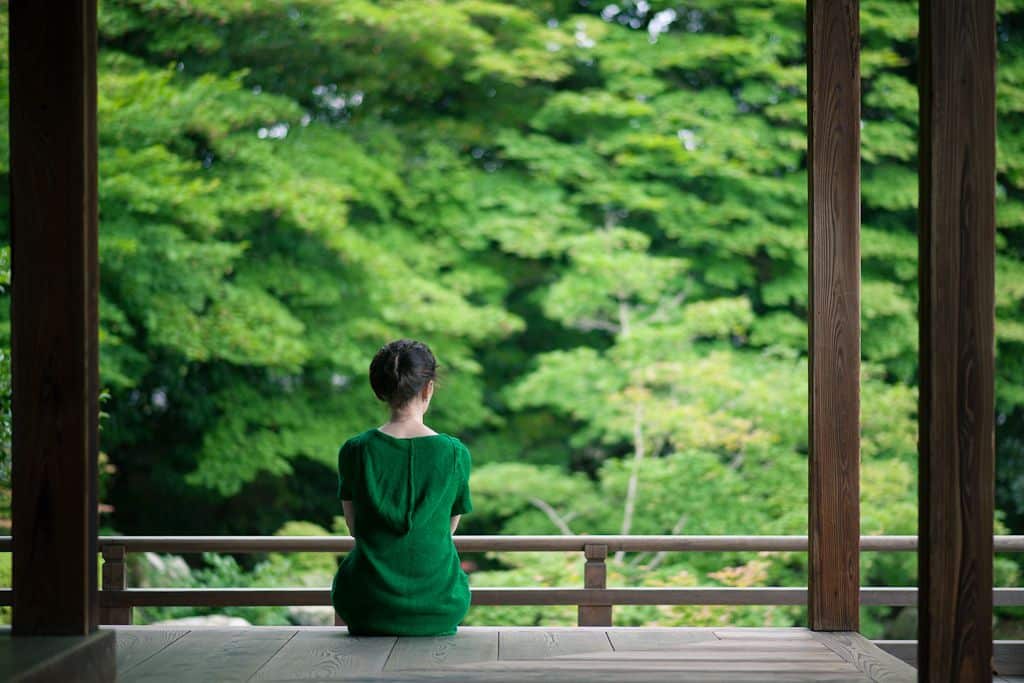
Bring the Reset Home With You
The best reset trips don’t end at baggage claim. The real magic happens in what you bring back: not souvenirs, but shifts. You return with a little more room to breathe. Maybe you remember how it feels to wake without dread or to walk without a destination. These aren’t vacation highs—they’re glimpses of how life could feel more often. And once you’ve felt that, you’ll find small ways to recreate it in your regular days. That’s the whole point of a reset: to remind you that restoration is always within reach, not just in faraway places but also in the way you live when you return.
Blog contributed by Susanna Rodriguez of wildandoutside.com Along with her husband, they have embraced the digital nomad lifestyle for 6 years and are dedicated to experiencing life to its fullest extent!